Torque Yard · East London
How we test every part
How we test every used engine, gearbox and cylinder head before it is listed: donor selection, bench testing, coding and a free fitment check against your VIN.
On this page
How we test every engine, gearbox and cylinder head is the difference between this yard and the cheapest listing you can find online. Four steps, every unit, no exceptions, and it is the reason our prices are not the lowest in the country.
This is the page we point people at when they ask why a tested unit costs more than one off a marketplace listing. Read it and decide for yourself whether the difference is worth paying for.
Step 1: donor selection
We buy low-damage running vehicles – insurance write-offs, hail cars, rear-enders and the occasional trade-in. The single rule is that the vehicle drove onto the truck under its own power. If it did not start and move, the engine does not go on our shelf.
That rule costs us stock. Plenty of cheap donor vehicles come up that would give us parts to list, and we leave them because nobody can tell you what a motor sounds like once it has stopped turning. A non-runner can be perfectly good or it can be scrap, and there is no way to price that risk honestly.
Where a vehicle is imported rather than local, we say so on the listing. We do not publish odometer figures on stripped or imported units because we cannot verify them, and neither can anyone else who sells them to you.
Step 2: the bench test, before removal where we can
Every part type gets a different test, and each one is done before the unit is priced rather than after somebody complains.
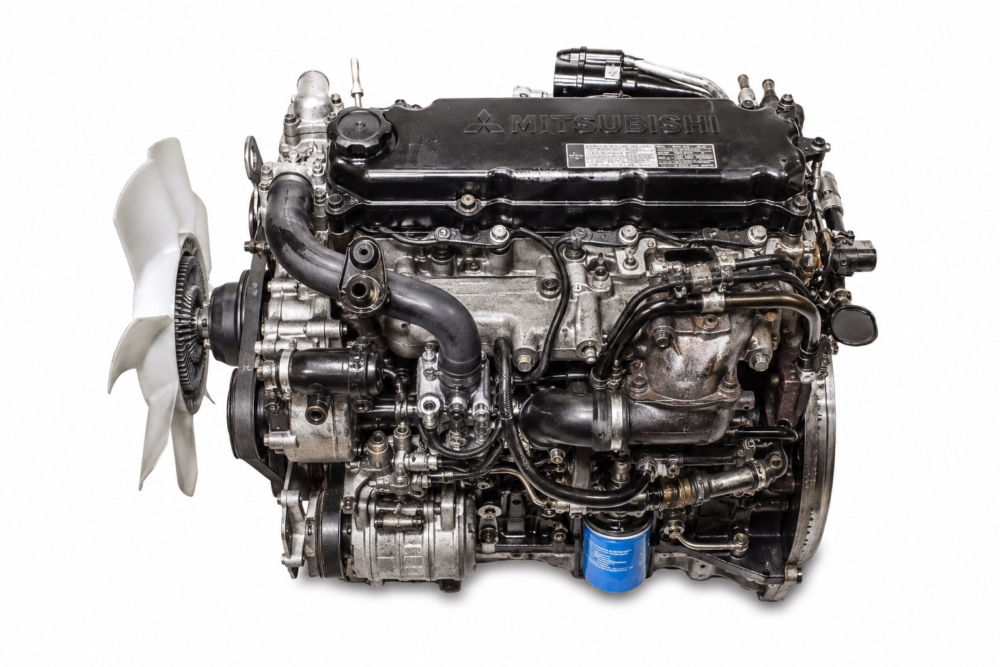
Engines
The donor is run up so we can hear it – knock, tap, smoke colour, oil pressure at idle and off idle. Then compression across all cylinders and a leak-down test to find where any lost pressure is going: rings, valves or head gasket. A cylinder that is 15% down on its neighbours is a different conversation to one that is 40% down, and both get recorded.
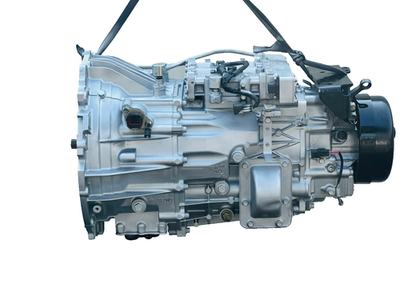
Gearboxes
Driven through every gear in the donor vehicle, up and down, listening for whine on load, crunch on the change and slip under acceleration. On an automatic we watch shift timing and check the fluid for burn. On a DSG we look for judder off the line. Then the casing is checked for leaks at the seals and the bellhousing face.
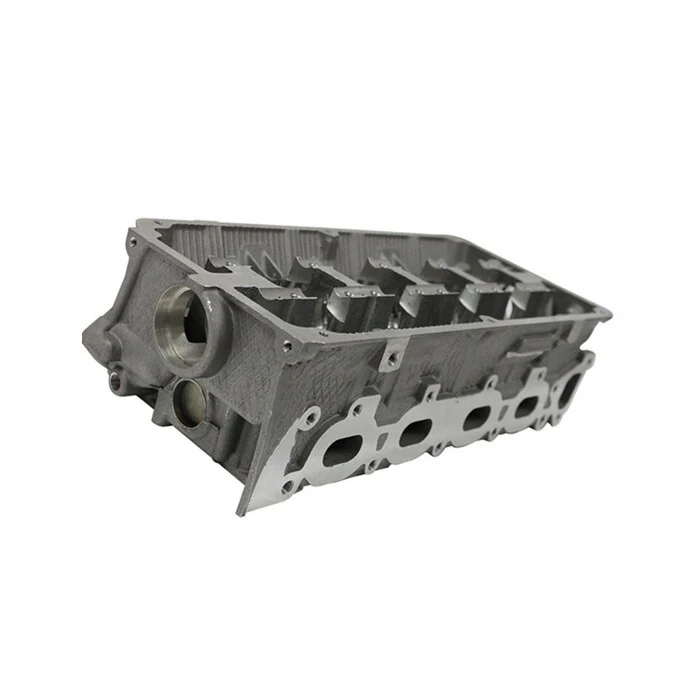
Cylinder heads
Off the engine and straight onto the pressure tester, cold first and then hot, because plenty of cracks only open up at temperature. Then a straightness check across the deck face with a straight edge and feelers, and a look at the valves and seats for burning or recession.
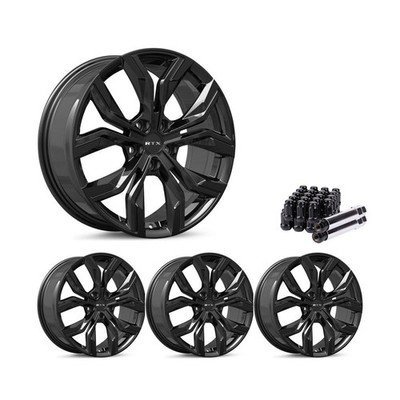
Alloy rims
Onto the balancer for buckle and run-out, then a check of the bolt pattern, offset and centre bore against the spec we are listing them as. Bent rims go to scrap rather than onto the shelf with the damage turned to the back for the photograph.
Step 3: coding and photographing
The code stamped on the casting is read off the unit itself and written onto the stock record, along with the donor VIN. That code is what appears on your invoice, and it is the reason we can settle a fitment argument in one message instead of three phone calls.
Then the unit is photographed exactly as it stands. We do not steam-clean a motor for the camera, and we do not use a stock image of a cleaner one. If there is surface rust on a manifold or a scuff on a bellhousing, it is in the photograph, because you will see it when the pallet is opened either way.
Where a test video exists, we will send it on request. Ask for it before you pay rather than after.
Step 4: the fitment check before you pay
This is the last step and the one that saves the most money. Before we take payment, send us your VIN, the code off the unit you are replacing and a photograph of the old part where the mounting points are visible. We check it against the unit on the shelf and come back the same working day.
If it is not a match, we say so and we do not sell it to you. A wrong engine code is the most expensive mistake in this trade – you pay for the part, the pallet, the workshop time and then the return – and it is entirely avoidable with one message. The check costs nothing.
Your VIN is on the licence disc, on the plate at the base of the windscreen and usually stamped into the body under the bonnet or in the door shut. Send it through here and we will do the rest.
What we reject
Roughly a fifth of what comes into the yard never reaches the shelf. Engines with a knock that does not clear, blocks with coolant in the oil, gearboxes that crunch on a cold change, heads that leak on the pressure tester either cold or hot, rims with a buckle that will not balance out.
Those units go for scrap or get stripped for individual components. They do not get listed as “spares or repairs” at a low price, because a cheap listing from a yard that tests everything sends a mixed message about what testing actually means here.
What that costs us is margin. What it buys is a catalogue where every listing means the same thing, and a warranty we can afford to honour.
Questions about how we test
Can I see the test before I buy?
Where a video exists, yes – ask and we will send it. Every unit is photographed as it stands regardless, and we will take extra photographs of any area you want to see before you pay.
Does testing mean the part is as good as new?
No, and we would not claim that. A tested used engine is a working second-hand unit with a known history and a warranty behind it. If you want as-new, buy from the new engines department, which is factory-sealed stock with twelve months of cover.
What happens if a tested unit still fails?
It happens, rarely, and that is what the warranty is for. Three months from invoice on used stock, covering internal mechanical failure, provided a qualified workshop fitted it and you have the invoice. The terms are here in full.
Do you test new stock the same way?
No. Factory-sealed units stay sealed – we check the part number on the crate and the condition of the packaging, and the crate is opened on your workshop floor rather than ours.
Everything in the catalogue has been through this process. Fitting is a job for a qualified workshop – an RMI-accredited workshop gives you the invoice the warranty needs.
Why we test at all
Testing costs money. A stand, a compression tester, a leak-down kit, a pressure tester and the hours of someone who knows how to read all four. A yard that skips it can list the same part cheaper and still make margin.
We test because the alternative is selling you a coin flip. An untested second-hand engine is not a cheap engine – it is an engine that might cost you the part, the freight, the workshop labour and a fortnight off the road, and then the same again on the replacement.
It also makes the warranty affordable. We can offer three months on used stock because we already know what we are selling. A yard that does not test cannot price that risk, which is why their warranties are usually either non-existent or written so narrowly that nothing qualifies.
What testing does not tell you
We would rather be straight about the limits than oversell the process. A compression and leak-down test tells you the state of the rings, valves and head gasket on the day. It does not tell you how many kilometres are on the bottom end, and it will not predict a bearing that lets go in eight months.
A gearbox driven through every gear tells you it selects and holds under load. It does not tell you the condition of a synchro that is halfway through its life. A pressure-tested head tells you it is not cracked today at the temperatures we ran it to.
That residual risk is exactly what the warranty is for, and it is why we insist on professional fitment. Most used-part failures we see are install problems – a cooling fault that was never fixed, the wrong oil, a timing job done in a hurry – not the part itself.
So: we test everything, we tell you what the test showed, we write the code on your invoice, and we carry the risk for three months. That is the honest shape of it.
About Torque Yard
Torque Yard is a used-parts yard at 27 Pearce Street, on the corner of Tecoma Street, in Berea, East London. We strip low-damage running vehicles and sell the engines, gearboxes, cylinder heads and rims that still work, to workshops and to private buyers, across South Africa and into the neighbouring countries.
We test everything because the alternative is selling a coin flip, and because a warranty you intend to honour has to be priced on something better than hope. That is the whole argument for how we test.
Ten makes and 139 models are on the shelf at any time, weighted towards what actually works for a living here: Toyota, Ford, Isuzu, Nissan, Hyundai, Mitsubishi, Mazda, VW, BMW and Mercedes. Bakkie and taxi units carry most of the turnover, with a steady run of hatchback, sedan and German stock behind them.
What every part on this site comes with
Four things, on every unit, whether it costs R4,000 or R90,000.
- A test before it was listed. Run, compression and leak-down on an engine; every gear on a gearbox; pressure-tested cold and hot on a head. The process is written up here.
- The code on your invoice. Read off the casting, recorded against the stock number, so a fitment argument takes one message instead of three phone calls.
- A free fitment check before you pay. Send a VIN and a photograph and we confirm or decline the same working day.
- A written warranty. Three months on used stock, twelve on new sealed units, with the exclusions listed rather than buried. Terms here.
Prices include 15% VAT and every sale is invoiced. Payment is EFT or card, a 50% deposit holds a unit while a workshop books you in, and orders over R25,000 ship free inside South Africa. Fitting should be done by a qualified workshop – an RMI-accredited workshop gives you the invoice the warranty needs.
None of that is unusual in a well-run yard. What is unusual is putting it in writing on a public page, where a customer can hold us to it, rather than describing it differently to each caller depending on how the conversation is going. If we ever fall short of what is written here, say so and we will fix it.
Where to go next
If you know the part, search the catalogue by engine code – it is faster than browsing by model. If you are still deciding, the FAQ answers most of what people ask before they buy, and the delivery page tells you what it costs to get a unit to your door.
And if you would rather just ask a person: WhatsApp 068 766 9890 with your VIN, Monday to Friday 08:00 to 17:00 or Saturday morning. Full contact details and directions are here. Someone who has actually handled the how we test will answer you.