Torque Yard · East London
Used Engine Buying Guide for South Africa
Used engine buying guide: five checks before you pay, used versus recon versus new, what things cost in South Africa, and how a tested unit with a written warranty differs from a cheap listing.
Half the people who phone this yard have already been burnt once. The pattern is always the same: a cheap listing, a photograph of a clean motor, cash paid, and a block that was never going to start.
This is the used engine buying guide we wish someone had handed those people first. Five checks, in order, and they work on any seller in South Africa – not just on us. Buying a used engine is not risky in itself; buying one nobody tested is.
Five checks before you buy a used engine
Run through these in order every time you price a used engine, whether the seller is a yard, a workshop or someone on a marketplace listing.
- 1
Get the code, not the model name
A model name is not a part number. The same Hilux year can carry more than one engine, and the same Polo can carry three different gearboxes. Ask for the code stamped on the unit and check it against your own. If the seller cannot tell you the code, they have not looked at the unit.
- 2
Ask exactly what was done to test it
“It was running when it came out” is not a test. Ask whether the engine was run on a stand, whether compression and leak-down were measured, whether the gearbox was put through every gear, whether the head went on a pressure tester. A yard that does this work will tell you in detail, because it cost them money.
- 3
Read the warranty before you pay, not after
A warranty that only covers “manufacturing defects” on a second-hand part is worth nothing. You want cover for internal mechanical failure, a stated period, and a written list of exclusions. Ours runs three months on used units and twelve on new, and the exclusions are on the warranty page rather than buried in a WhatsApp message.
- 4
Be suspicious of a mileage figure
Nobody selling a stripped or imported unit can verify an odometer reading, which is why we do not publish one. If a seller quotes you a confident 78,000 km on a bare engine, ask how they know. The honest answer is that they do not.
- 5
Use a workshop that will invoice you
Almost every used-part warranty in the country requires professional fitment, and ours is no different. An RMI-accredited workshop gives you a paper trail and someone accountable if the install goes wrong. Keep that invoice – it is the only document we ask for on a claim.
Ask those five about any used engine and you filter out most of the risk in this trade without needing to know anything technical. Our answers are on the testing page and the warranty page, in writing, before you spend anything. Fitting should go to an RMI-accredited workshop.
Used engine, recon or new: which are you actually buying?
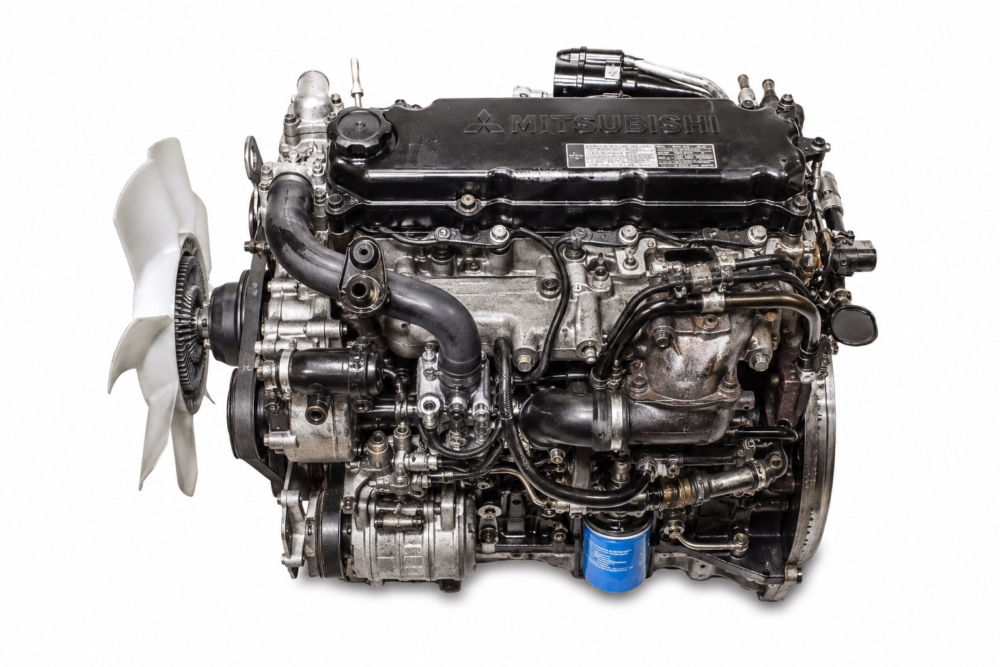
Best value when the rest of the vehicle is sound. A working second-hand unit with a known history and three months of cover behind it.
Quality depends entirely on who did the work and what they replaced. Ask for the machining invoice and the parts list, or you are buying a paint job.
Makes sense on a vehicle you intend to keep for years, or where the used market for your engine code is thin. Twelve-month warranty.
The one option that is almost never worth the saving is a cheap untested used engine. You pay for the part, the pallet, the workshop time, and then again for the replacement. A tested used engine costs more on the invoice and less over the job.
How this yard works
Low-damage insurance write-offs, hail cars and rear-enders. Nothing goes on the shelf that did not drive onto the truck under its own power.
Run-up, compression and leak-down on every used engine; every gear on a gearbox; pressure-tested cold and hot on a head. The full process.
Send your VIN and the code off the old used engine or gearbox before you pay. If it is not a match we say so, and we do not sell it to you.
Two to five working days door to door, free over R25,000, with a written warranty from the invoice date.
What is on the shelf
Six departments, all stocked from the same source. 475 units across 139 vehicle models and ten makes.
- Used engines149 units, 1.0-litre hatchback motors up to 3.0-litre bakkie and SUV engines
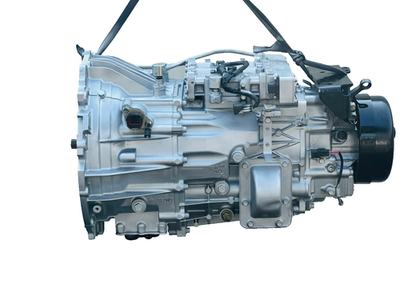
- Used gearboxes149 units – manual, conventional automatic and DSG dual-clutch
- Cylinder heads149 castings, pressure-tested cold and hot, bare or dressed
- New engines & gearboxes20 factory-sealed units with a 12-month warranty
- Alloy rimsStraight, balanced, sold in sets of four
- Swap kits & tool boxesMatched engine-plus-gearbox bundles and workshop kit
What things cost
Everything on the site is currently 20% off, and the discount is already applied to the price you see — no code, no haggling. Every price includes 15% VAT and comes with a full tax invoice. There are no call-for-price listings, because hiding the number wastes everyone’s morning.
Payment is EFT or card. A 50% deposit holds a unit while your workshop books you in, with the balance due before it ships or before you collect.
Five mistakes people make buying a used engine
These are the calls we take after the fact, when the money is already gone. None of them need technical knowledge to avoid.
- Paying before the fitment check. A used engine that does not match your VIN is the most expensive mistake in this trade, and it is entirely avoidable with one message.
- Buying on the photograph. A clean-looking motor tells you nothing about the bottom end. Ask what was measured, not what it looks like.
- Skipping the cause of the original failure. If the radiator killed the first engine, it will kill the used engine you just fitted, and no warranty covers that.
- Fitting it at home to save labour. It voids almost every used-part warranty in the country, including ours, because there is no invoice to prove the work.
- Reusing tired ancillaries. The alternator, starter and turbo that came off a dead vehicle are the same age as the engine that died. Budget for them or plan a second workshop visit.
Every one of those is cheaper to avoid than to fix. If you are unsure on any of them, send us the vehicle details and we will tell you straight what we would do, even where the answer is that a used engine is not your best option.
Makes and models we carry
Ten makes and 139 models, weighted towards what actually breaks in South Africa rather than what looks good in a catalogue.
Bakkies and taxis carry most of the turnover: Toyota Hilux, Ford Ranger, Isuzu D-Max and KB, Nissan NP200 and Hardbody, Hyundai H100, Mitsubishi Triton and Mazda BT-50. Behind them sit the hatchbacks and sedans that fill every workshop bay in the country, plus BMW, Mercedes and Audi stock where the franchise price on the same part is several times higher.
The models that move fastest through this yard: Toyota Hilux, Ford Ranger, Isuzu KB, VW Polo, Toyota Corolla, Nissan NP200, Hyundai H100, BMW 3 Series.
If you cannot see your model, ask. Stock turns over weekly and what is not listed today is often sitting in a donor vehicle we have not stripped yet.
Why buy from an Eastern Cape yard
Most of the big used-parts operations in South Africa sit in Gauteng, close to the volume. We are in East London, which means our donor vehicles come from a different pool and our stock list looks different as a result – more bakkies, more taxis, more of what works for a living in this part of the country.
It also means the yard is small enough that the person who tested your engine is the person who answers your WhatsApp. There is no call centre here. If you ask what the compression figures were, someone can walk to the shelf and tell you.
Distance is not the obstacle people expect. Two to five working days puts a pallet at a workshop door anywhere in the country, and the fitment check happens over WhatsApp before anything moves. Delivery detail is here.
Questions people ask before buying a used engine
How long should a used engine last?
Longer than most people expect, if the original failure was addressed and the install was done properly. A tested used engine out of a low-damage donor vehicle is a working unit with normal wear, not a part at the end of its life. What shortens it is fitting it behind the same cooling fault, the wrong oil, or a timing job done in a hurry.
Is it cheaper to repair my engine or buy a used engine?
Rough rule: if the repair quote passes about 60% of the price of a tested used engine with a warranty, the swap is usually the better spend, because you also reset the wear on everything internal. Below that, repair. We will give you an honest read if you send the workshop’s diagnosis.
What paperwork should come with a used engine?
An invoice with the engine code and stock number on it, and a written warranty with a stated period and exclusions. If a seller will not put the code on paper, walk away – that document is the only thing that settles a fitment dispute later.
Can I buy a used engine from another province?
Yes, and most of what leaves this yard does exactly that. The fitment check happens over WhatsApp before you pay, and the unit ships on a pallet to your workshop door in two to five working days anywhere in South Africa.
Search the catalogue by engine code – it is faster than browsing by model. Still deciding? The FAQ answers most of what people ask before they buy.